

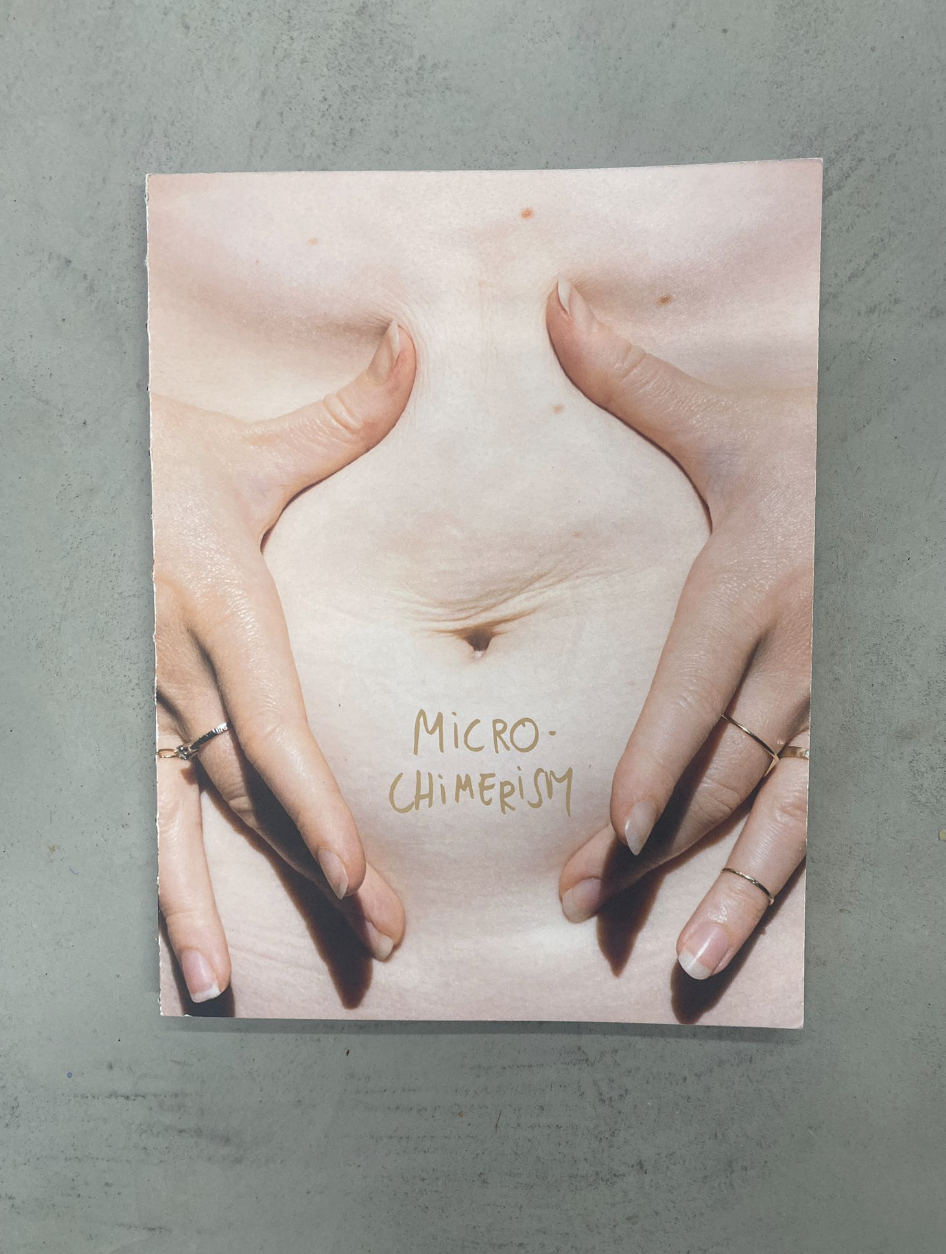
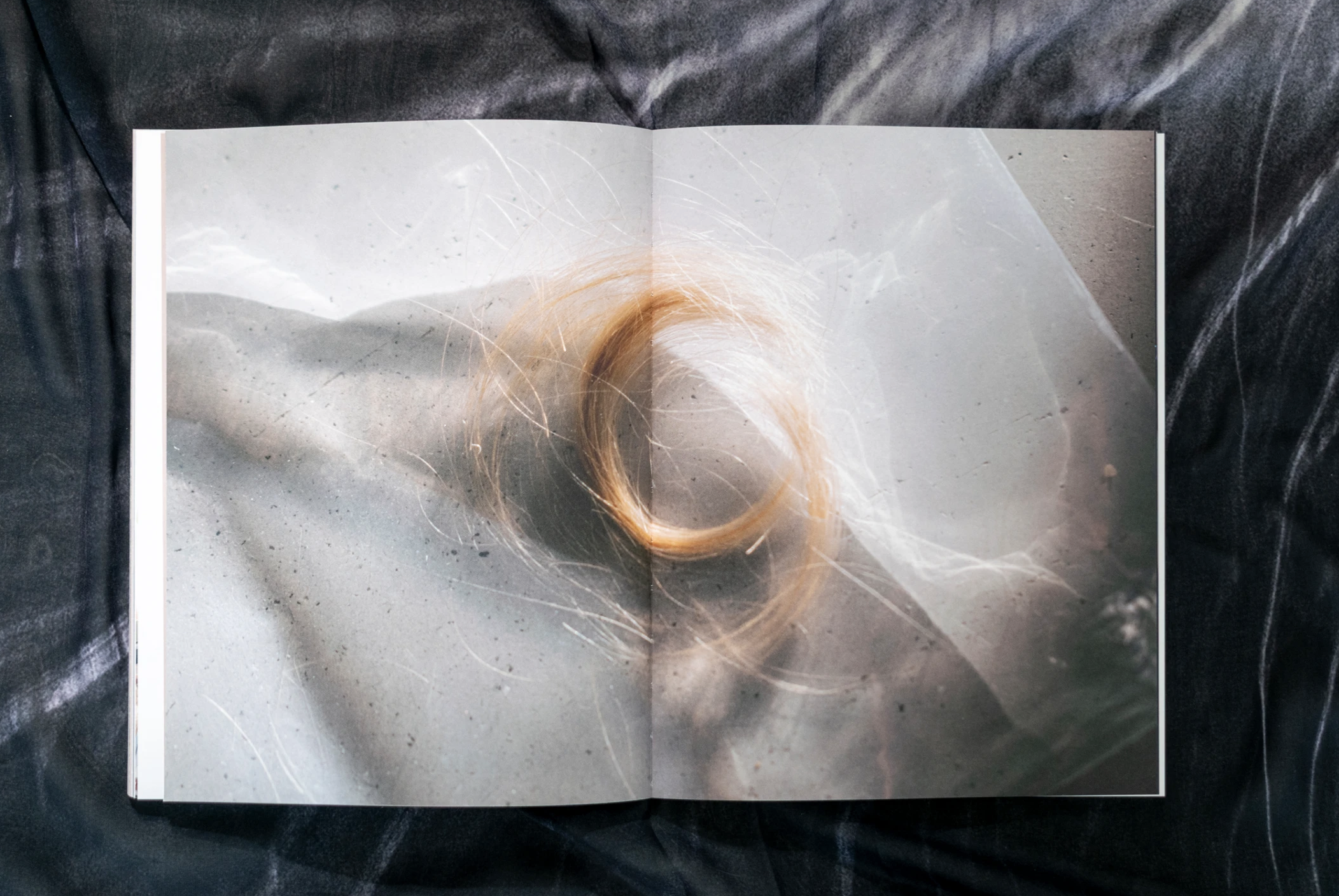
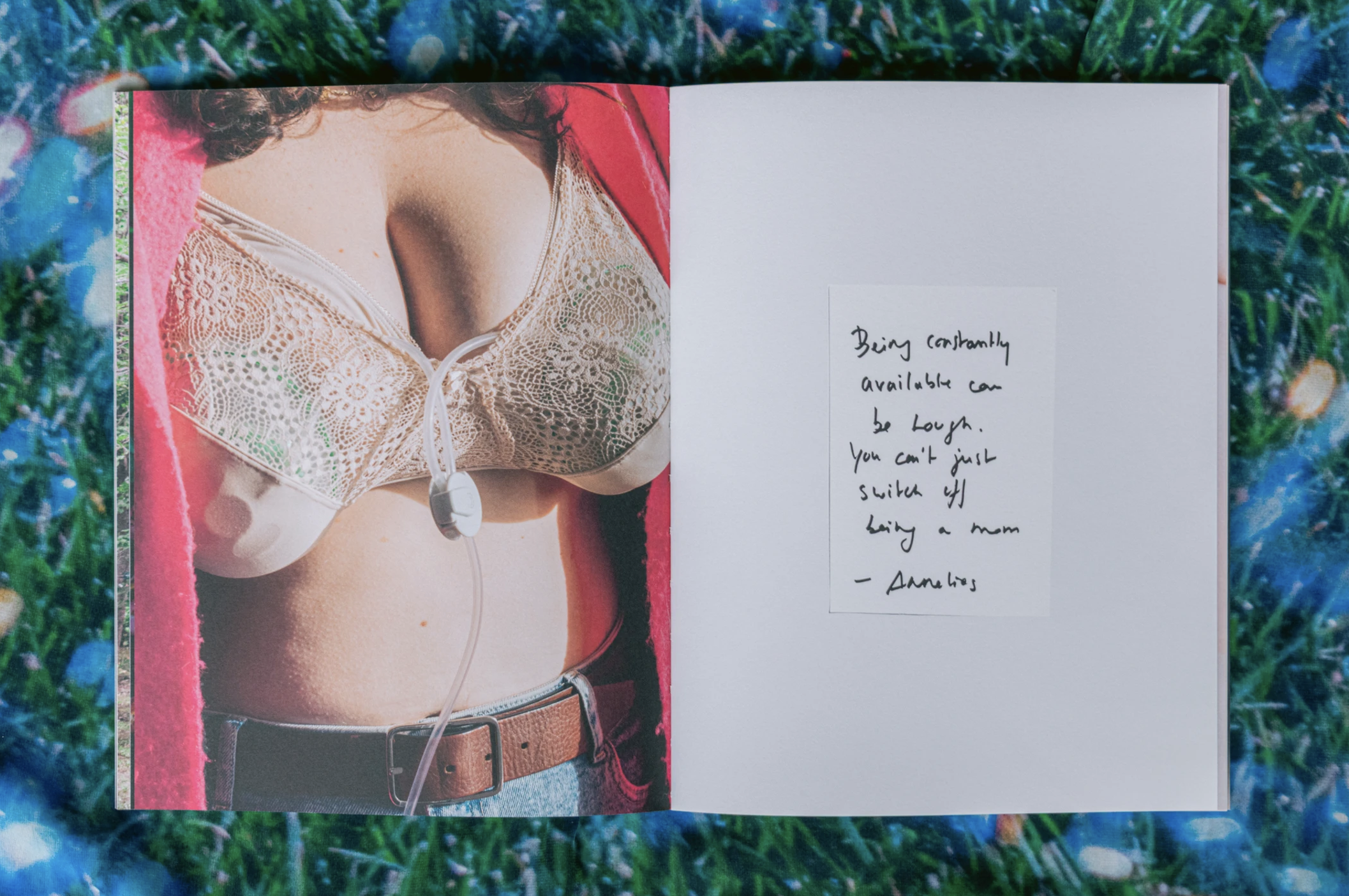
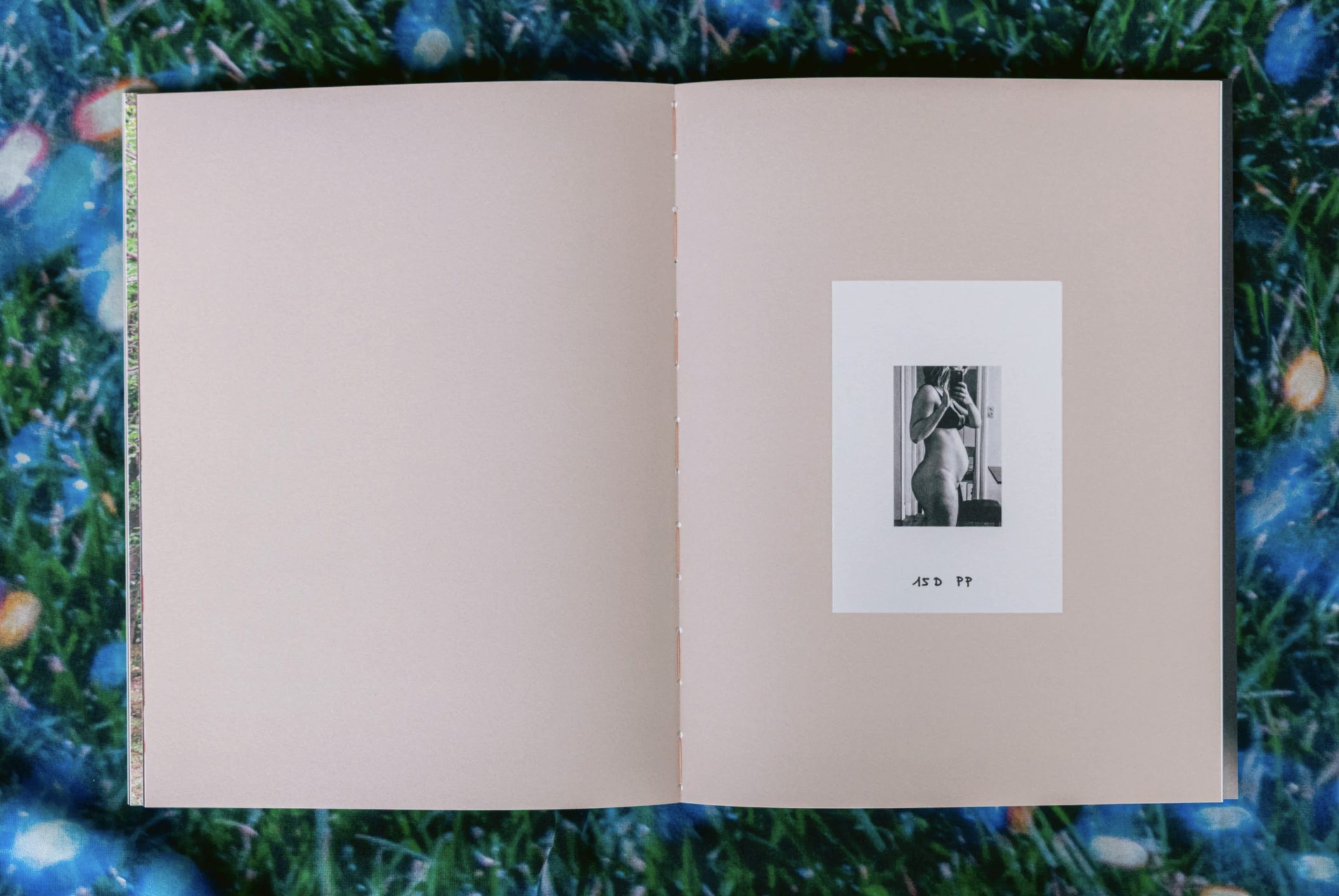
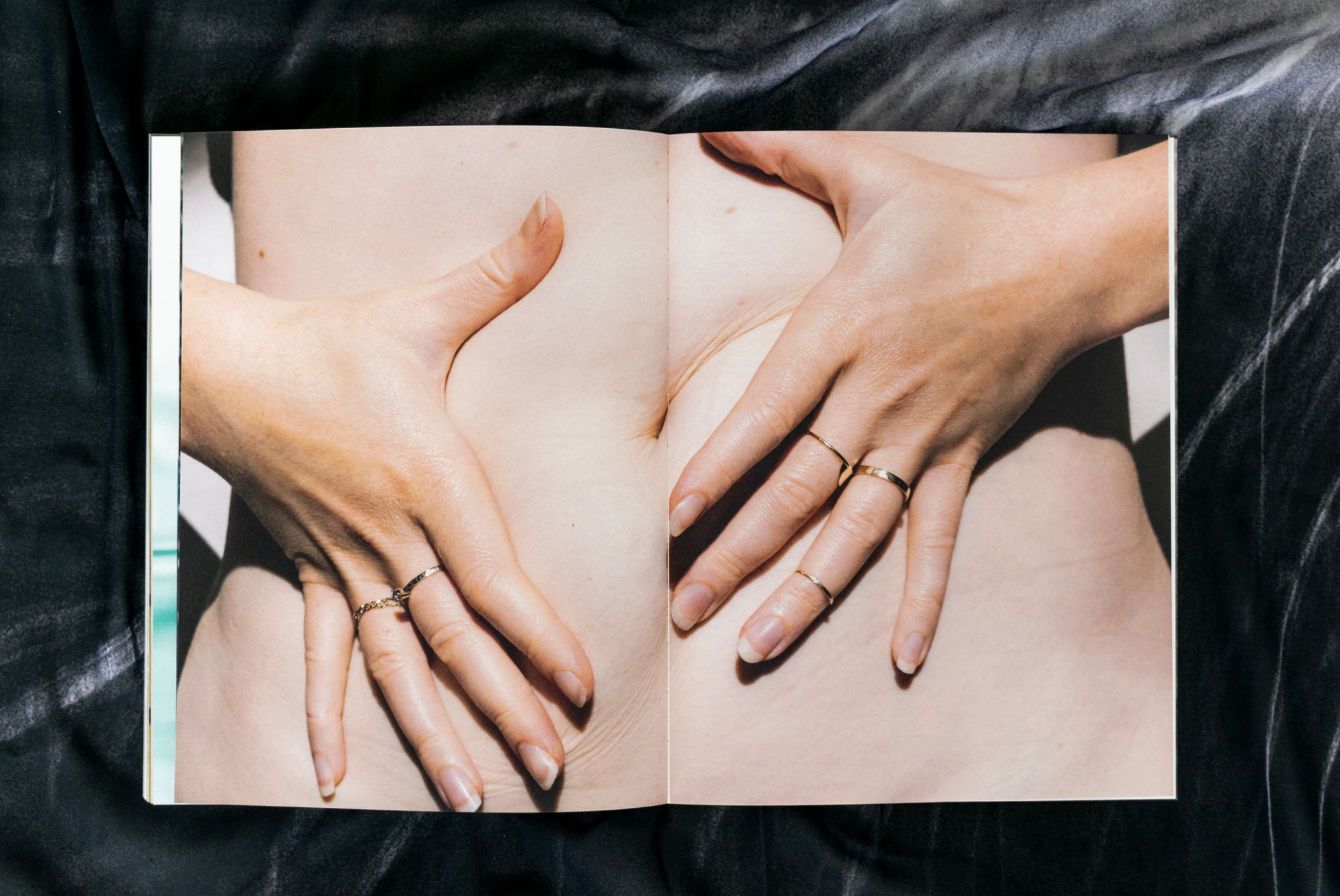
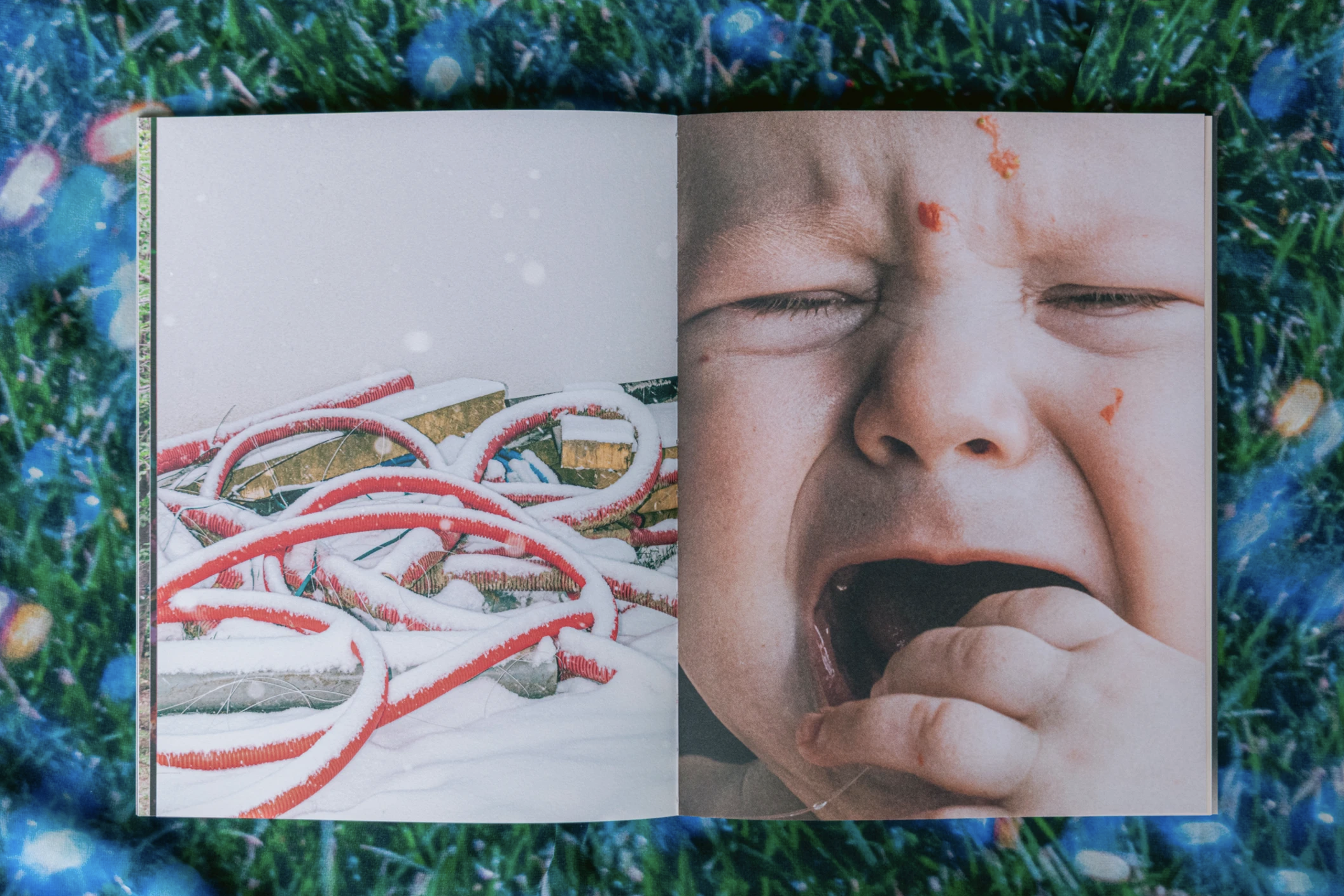

Microchimerism is a book that explores how motherhood transforms a person, even down to the cellular level. Mother and child are forever connected, with scientific studies showing that this bond is not only emotional but also biological, rooted in the exchange of cells. Developed over multiple years, the book combines intimate portraits, mothers’ voices, and research excerpts.
"The realisation that motherhood leaves an indelible mark—not only in the most delicate fibres of one’s being, but also in one’s biological core—is profoundly moving. [...]
Mothers carry traces of their children’s DNA. Research shows that even after a miscarriage, stillbirth, or abortion, foetal cells continue to circulate in the mother’s body.
These foreign cells enter and persist within the maternal body through the umbilical cord and placenta—a phenomenon known as foetal microchimerism."
- Sofie Crabbé
20 x 26 cm, sewn bound softcover with open spine, printed on uncoated, tactile paper (Munken Lynx Rough)
Microchimerism is a book that explores how motherhood transforms a person, even down to the cellular level. Mother and child are forever connected, with scientific studies showing that this bond is not only emotional but also biological, rooted in the exchange of cells. Developed over multiple years, the book combines intimate portraits, mothers’ voices, and research excerpts.
"The realisation that motherhood leaves an indelible mark—not only in the most delicate fibres of one’s being, but also in one’s biological core—is profoundly moving. [...]
Mothers carry traces of their children’s DNA. Research shows that even after a miscarriage, stillbirth, or abortion, foetal cells continue to circulate in the mother’s body.
These foreign cells enter and persist within the maternal body through the umbilical cord and placenta—a phenomenon known as foetal microchimerism."
- Sofie Crabbé
20 x 26 cm, sewn bound softcover with open spine, printed on uncoated, tactile paper (Munken Lynx Rough)